Verdict
Where Winds Meet is the rare free-to-play open world that earns its scale, its combat system, and its cosmetic-only monetization all at once. It's the best wuxia game in years.
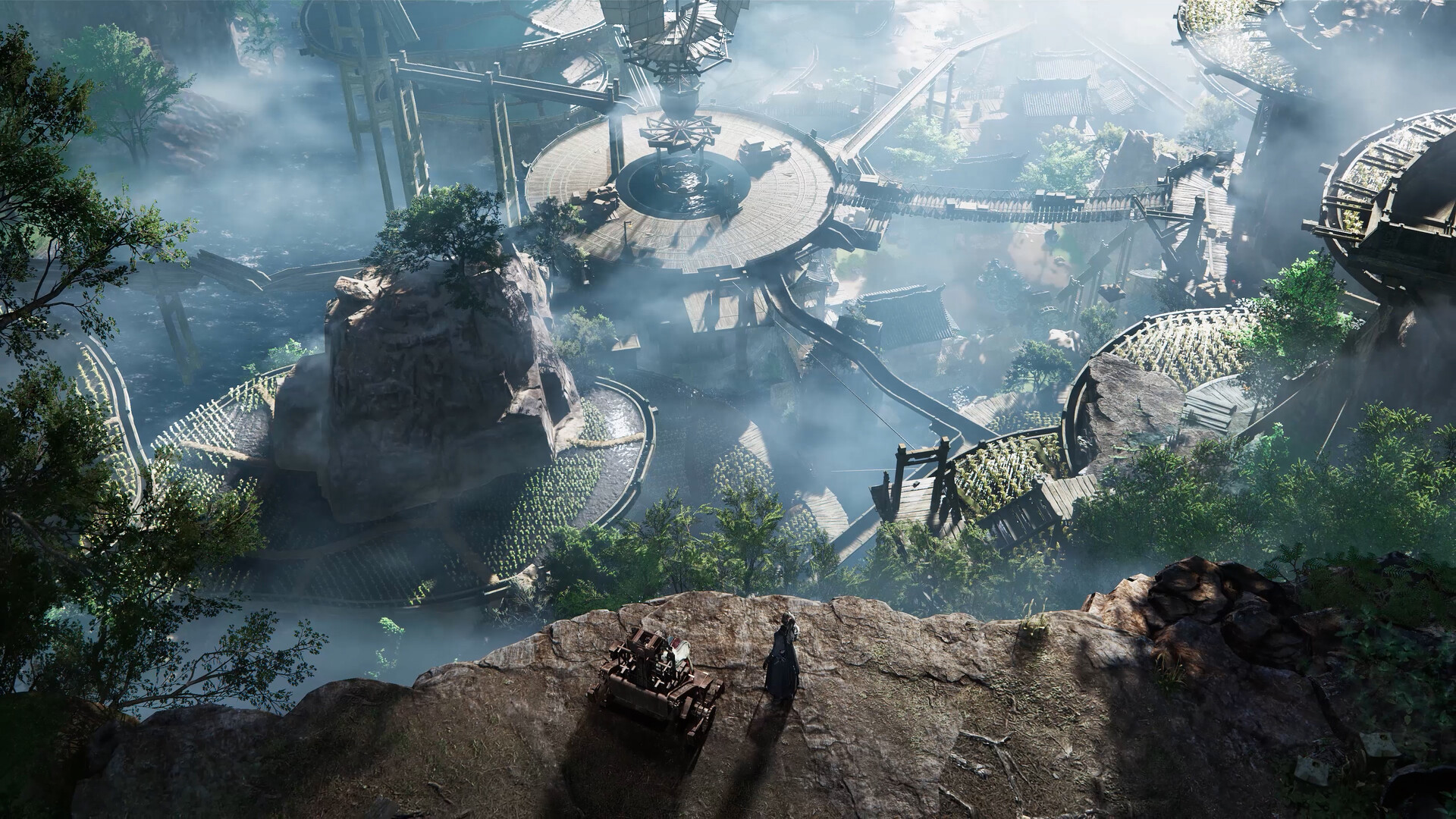
Where Winds Meet arrived with an enormous amount of pressure attached — wuxia fans have wanted a genuinely great martial-arts open-world game for years, and NetEase built this one at a scale that suggested they knew exactly what was riding on it. Since its worldwide PC/PS5 launch and subsequent mobile and Xbox rollouts, the game has reportedly drawn in the tens of millions of players. We spent extended time across its open world and combat systems to see whether it earns that response.
The Essentials
Where Winds Meet is a free-to-play open-world action-RPG set in a richly reimagined tenth-century China, built around wuxia's core fantasy: flowing, acrobatic martial arts combat, wandering swordsmen politics, and a world that treats movement itself as an expressive act. You build a character through martial arts schools and disciplines rather than a traditional gacha character roster, exploring a large, detailed map filled with sects, rivalries, and set-piece stories drawn from wuxia's genre conventions.
The single most important thing to understand about Where Winds Meet's design is its monetization philosophy: this is a game that sells cosmetics and only cosmetics. There is no pay-to-win axis here, no power gap between spenders and non-spenders — a genuinely rare commitment for a free-to-play game operating at this scale and production budget.
The Experience
The combat is the headline, and it delivers. Where Winds Meet's martial arts system captures the specific fantasy wuxia media has always promised but games have rarely nailed — fluid, weightless-feeling movement chained into precise, readable combat exchanges that reward timing and positioning over button-mashing. It's the best wuxia combat system we've played in a modern game, full stop, and it holds up whether you're dueling a rival swordsman one-on-one or fighting through a crowded bandit camp.
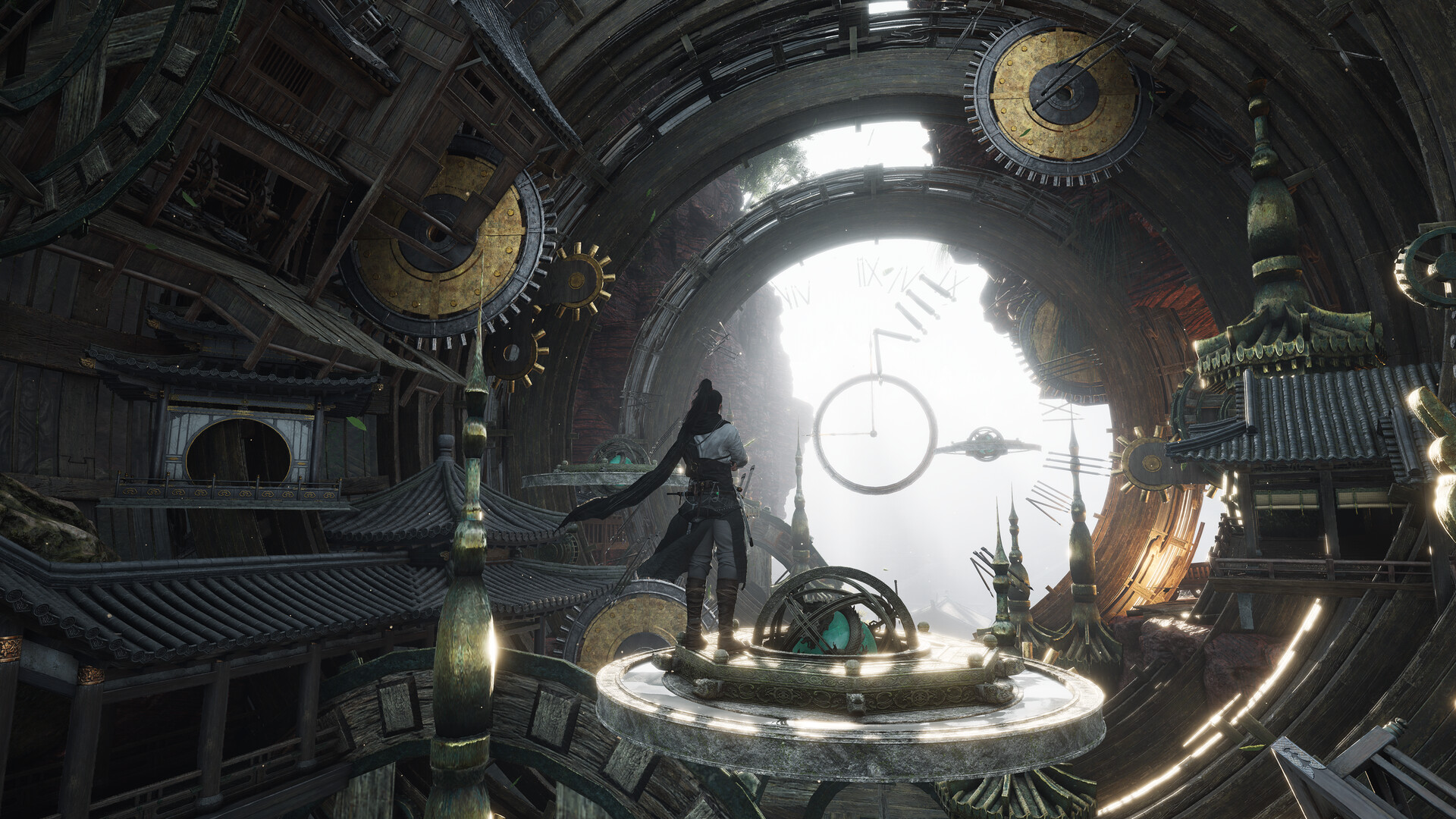
Traversal deserves equal credit. Simply moving through the world — running, climbing, gliding between rooftops — has a fluidity that makes exploration feel rewarding on its own terms, independent of whatever quest marker you're chasing. Combined with lush, detailed environments, Where Winds Meet is one of the best-looking and best-feeling open worlds currently running in the live-service space.
Beyond combat and movement, the world is genuinely dense with things worth doing — side stories, sect activities, and social systems that give the setting texture rather than padding it out with repetitive filler icons. It's an open world that earns comparisons to the genre's best rather than just borrowing their structure.
The Limits
Where Winds Meet's biggest weakness is a direct consequence of its biggest strength: it wants to do an enormous amount, and not every system it introduces gets the same level of polish as its combat and traversal standouts. Some secondary activities and social features feel comparatively undercooked, and the sheer maximalism of the content on offer can occasionally work against the game's own pacing — a genuinely great main story thread can get diluted by the sprawl surrounding it.
The free-to-play structure, while commendably fair on the power-balance front, still shapes certain systems in ways that remind you this is a live-service product — some social and guild-adjacent features nudge toward engagement patterns that feel more calculated than organic, even without a pay-to-win angle attached.
Who Is This For
Where Winds Meet is close to a must-play for anyone with any affection for wuxia media — the combat and world alone justify the download. It's also a genuinely good recommendation for open-world action-RPG fans broadly, including players who typically avoid free-to-play games on principle; the cosmetic-only monetization removes the usual reason for that hesitation.
Verdict
Where Winds Meet is the wuxia game its fans have been waiting for, built with a level of craft and a fairness of monetization that's rare at this scale. Its maximalist ambition occasionally outpaces its own polish, but the highs here — the combat, the traversal, the world itself — are among the best the open-world genre has produced this year. 8.8/10.
Pros
- Combat system is the best wuxia has looked and felt in any modern game
- Monetization is genuinely cosmetic-only — it never sells power
- Open world is dense with meaningful activities, not just map-marker filler
- Fluid movement and traversal make simply moving through the world a joy
Cons
- Maximalist scope means some systems feel undercooked next to the standouts
- Free-to-play constraints still shape certain progression and social features
- Story pacing occasionally buckles under how much the game wants to show you