Verdict
Rise of Kingdoms rewards the investment it demands, with a KvK meta that's evolved into genuine strategic depth. It's just an enormous investment to make.
Rise of Kingdoms has been running long enough to have gone through several distinct metas, and the version of the game live in September 2026 is, by community consensus, running one of its most specialized and technically demanding Kingdom vs Kingdom seasons yet. We spent time both building a fresh city from scratch and shadowing an established alliance through a live KvK cycle to see how the game holds up this deep into its life.
The Essentials
Rise of Kingdoms is a real-time strategy 4X built around city management, historically-inspired civilizations, and commander-led armies, all set on a shared world map with dozens of other kingdoms. Unlike a lot of the genre, it doesn't lock you into a single civilization at character creation — you can shift emphasis between civilizations as you grow, mixing bonuses to build hybrid strategies, which is a real point of distinction from its many imitators.
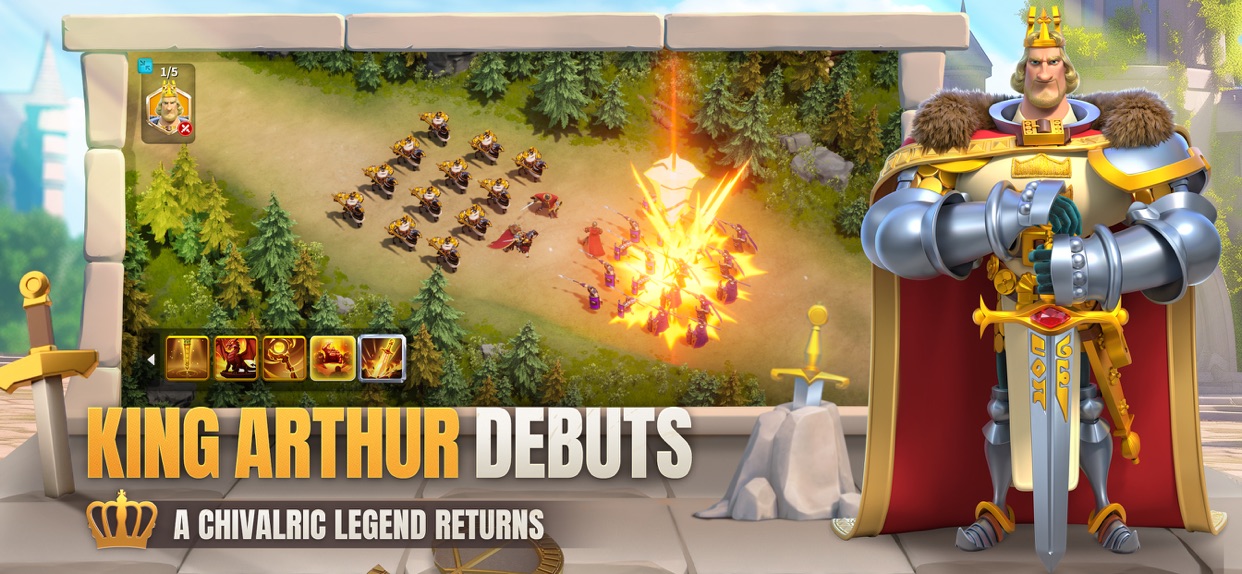
The commander system is the game's beating heart: pairing commanders with complementary skill sets, researching the right troop technology, and building around a specific KvK strategy is where Rise of Kingdoms earns its reputation as the mobile strategy genre's deepest entry. 2026's meta, according to the community, is the most specialized the game has been — Prime commanders, crystal technology, and skill-damage emphasis have reshuffled tier lists and forced serious players to rethink long-held assumptions.
The Experience
What struck us most in this pass is how much the alliance layer has come to define the actual experience of playing. Solo city-building only gets you so far; the game's real texture comes from coordinating rallies, defending against rival alliances, and negotiating the social dynamics of a server that's been running the same KvK cycle for months. When that machinery is working — when your alliance has a plan and you're executing your piece of it — Rise of Kingdoms delivers a kind of collaborative strategic tension that few mobile games attempt, let alone pull off.
The civilization-switching system deserves specific credit. Letting players blend civ bonuses mid-game instead of locking a single choice at the start adds a real strategic axis that most competitors don't have, and the 2026 meta's embrace of hybrid compositions shows the system still has room to evolve years after launch.
The Limits
None of this comes cheap in time or patience. New players face a genuinely steep learning curve — building queues, research trees, commander pairings, and alliance etiquette all get thrown at you at once, and the game doesn't do a great job of triaging what matters first. It took us multiple sessions before the systems started to cohere into an actual strategy rather than a checklist of timers to manage.
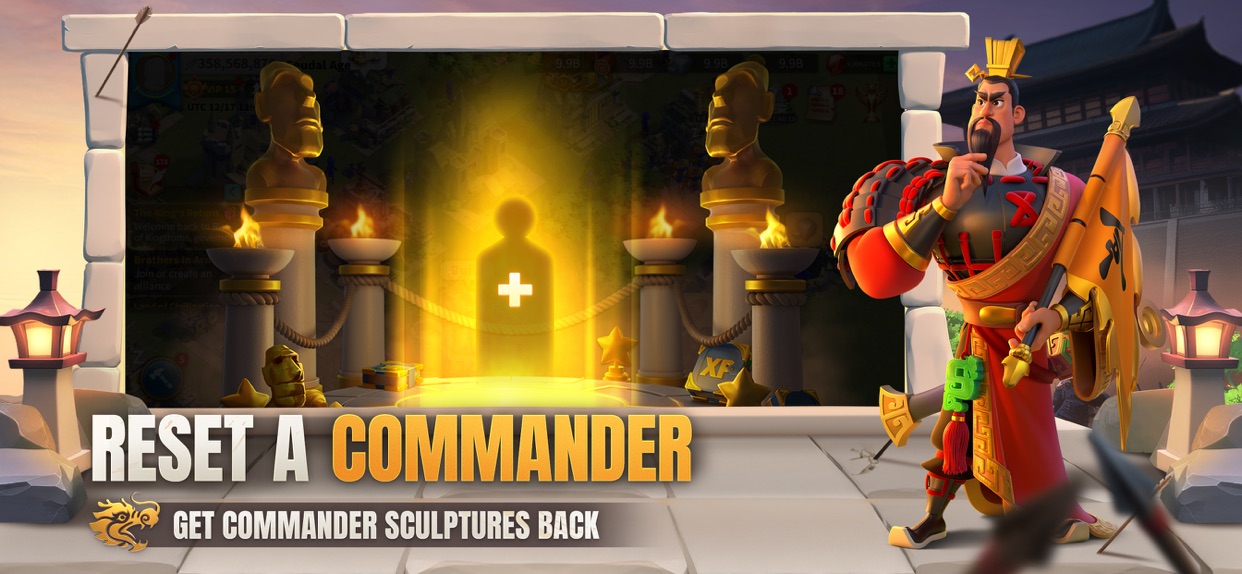
The freemium structure is also real and persistent. Speed-ups, resource packs, and commander sculptures are all purchasable, and while a patient free player can absolutely compete, "patient" here means months, not weeks. Civilization-switching, for all its strategic upside, also introduces a soft paywall of its own — meaningful switches cost premium currency, which blurs the line between strategic depth and monetization more than we'd like.
Who Is This For
Rise of Kingdoms is built for players who want a genuine long-term strategic commitment — the kind of game you check multiple times a day for months, ideally with an alliance you actually like. It's a poor fit for anyone looking for a quick session or a low-commitment mobile strategy fix; that audience will bounce off the onboarding before the good stuff kicks in.
Verdict
Years into its run, Rise of Kingdoms remains the mobile 4X genre's most mechanically serious entry, with a KvK meta that keeps finding new depth rather than stagnating. The cost of admission — in time, patience, and eventually money — is real, but for the right kind of strategy player, it's a cost worth paying. 7.0/10.
Pros
- No civilization-picking lock-in — cities and armies genuinely feel distinct
- KvK meta has real strategic depth with commander pairings and tech trees
- Alliance systems create real social stakes, not just numbers on a leaderboard
Cons
- Steep learning curve that front-loads a lot of confusing systems
- Freemium grind is real, and time-gating is aggressive without a paid boost
- Civ-switching mechanics add strategic depth but also add real-money-adjacent friction