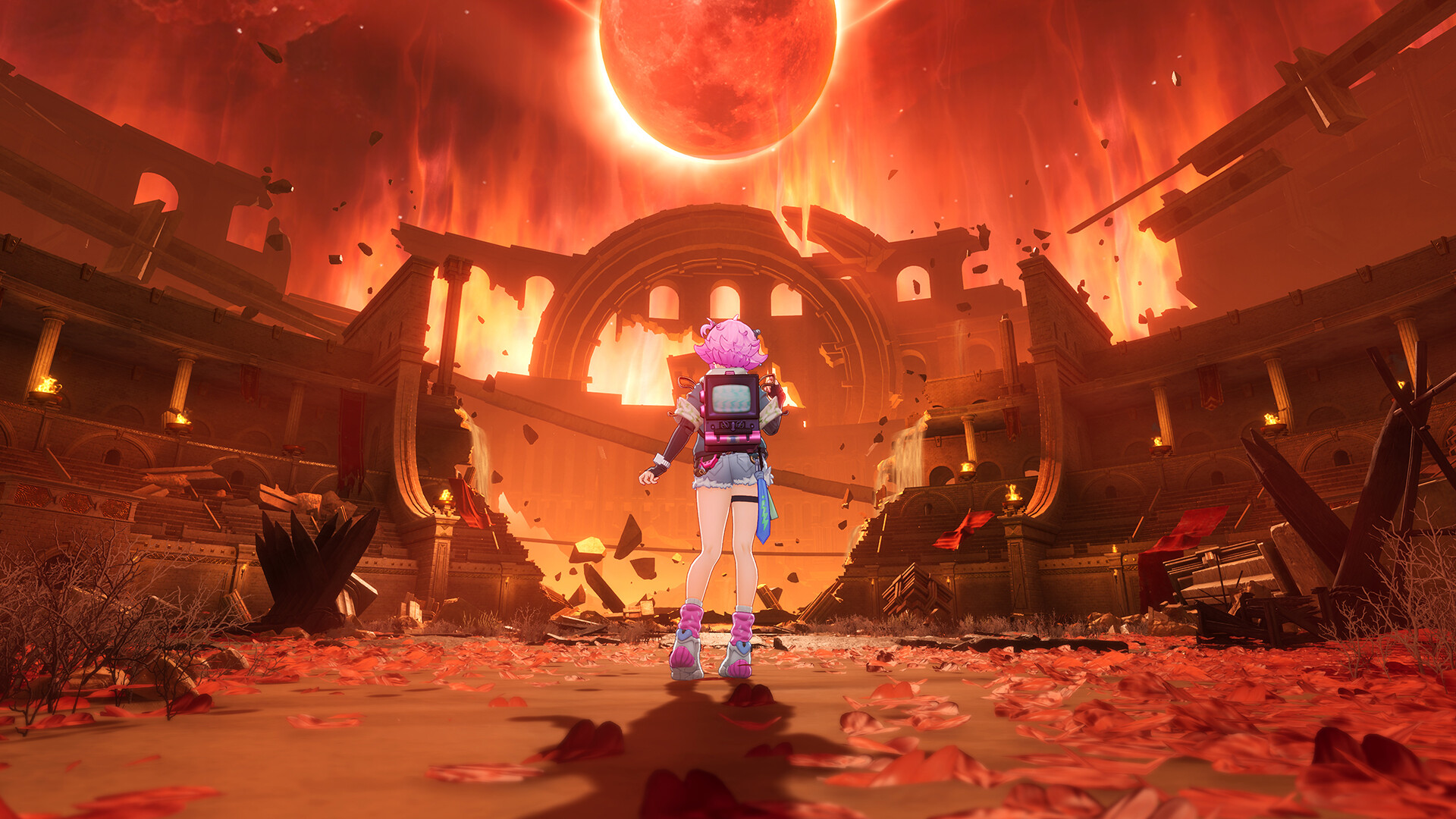
NTE: Neverness to Everness drops you into an open-world urban setting overrun by supernatural anomalies, and immediately asks you to juggle two very different systems: character-driven combat against otherworldly threats, and a surprisingly deep life-skill layer that covers everything from racing to shop management. New players who treat NTE as a pure action game miss half of what makes it worth playing. Here's how to get your footing.
Pick a Class Based on Team Role, Not Just Damage Numbers
Inside the 999 Nights mode, your character options split into four classes — Swordsman, Barbarian, Mage, and Dragon Knight — and each plays a distinct role rather than being a reskinned damage dealer.
- Swordsman: built around debuffing enemy defense and maintaining the White Lightflame status passively, making transitions between combos smoother. Good pick if you like sustained, technical damage.
- Barbarian: focuses on spreading White Lightflame quickly while boosting the team's crit damage — a strong finisher for burst-heavy squads.
- Mage: a team-support archetype that hands out large attack buffs and lifesteal rather than leaning on personal damage.
- Dragon Knight: rounds out the roster as a more balanced, durable option.
If you're playing solo-focused content, Swordsman or Barbarian give you more self-sufficient damage. If you expect to run squad content regularly, a Mage-support build makes every other class in your group hit harder.
Combat Style Is Layered on Top of Class
Beyond the 999 Nights class system, every character has a broader combat archetype — Liquid or Condensed — that shapes their skill kit and how their active/passive abilities interact. Don't assume two characters of the same class play identically; check archetype before committing upgrade materials.
Life Skills Aren't Optional Side Content
This is the part players coming from other action-RPGs tend to underrate. NTE ties life skills directly into core progression:
- Racing and vertical climbing (parkour across buildings) unlock traversal shortcuts and cosmetic rewards, but also feed into event content.
- Shop management and income generation give you a steady currency source that doesn't require grinding combat stages — useful for funding gacha pulls without burning premium currency.
- Exploration rewards are often gated behind these systems rather than combat alone, so ignoring them means missing a meaningful chunk of account progression.
Treat your first few in-game days as an onboarding tour: dip into each life skill at least once so you know which ones you actually enjoy, rather than defaulting to combat and hitting a progression wall later.
What To Do First
- Try all four 999 Nights classes in early content before committing upgrade materials — the differences in playstyle are larger than the tooltips suggest.
- Check each new character's Liquid/Condensed archetype alongside their class, since it changes how their kit actually plays.
- Spend at least one session on shop management and racing early — both generate currency and unlock traversal tools that make later exploration faster.
- Save premium currency until you've tried a character's kit on a trial or event banner, if the game offers one, rather than pulling blind.
NTE rewards players who engage with its full system spread rather than rushing combat content in isolation. Get comfortable with your class, your character's archetype, and at least one life skill early, and the rest of the open world opens up naturally.