Verdict
NTE doesn't have the polish of the genre's top tier yet, but its city, its life-sim instincts, and its unusually player-friendly gacha make it worth a serious look.
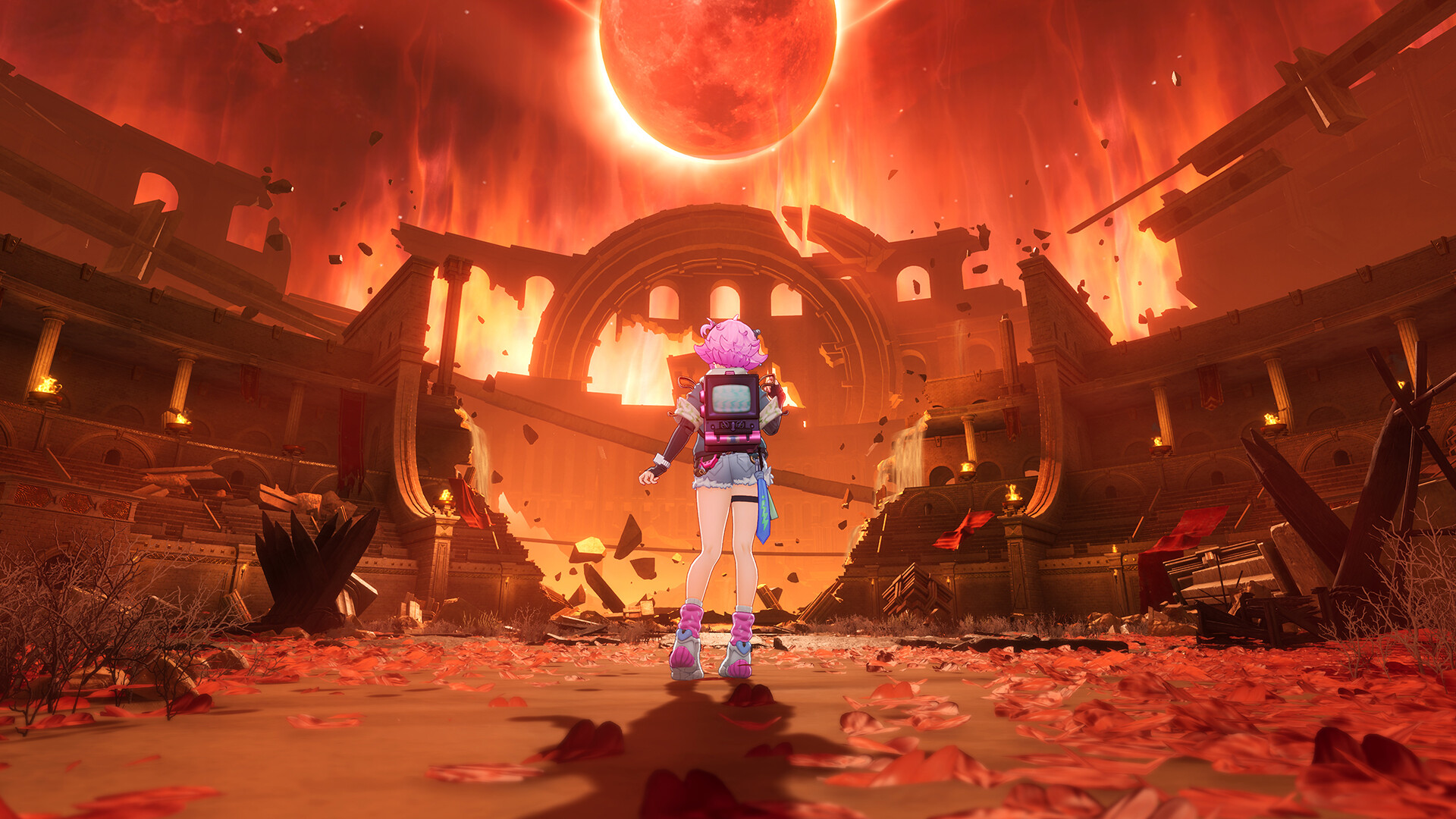
NTE — Neverness to Everness — arrived in April 2026 carrying a lot of weight: it's Hotta Studio's first major project since Tower of Fantasy, in a year already crowded with ambitious open-world gacha releases. We spent a chunk of the past few months with it, through its rocky opening weeks and into its more settled current state, to see whether it's a genuine alternative to the genre's giants or just another crowded-market entry.
The Essentials
NTE sets you loose in Hethereau, a modern city where the mundane and the supernatural coexist — think urban fantasy rather than high fantasy. You play a character who can manipulate reality through "Mythos" abilities, teaming up with a cast of recruitable characters (the gacha roster) to investigate the city's stranger corners. Structurally, it's an open-world action-RPG with gacha character acquisition, live-service seasonal content, and — its real differentiator — a life-sim layer bolted onto the exploration loop.
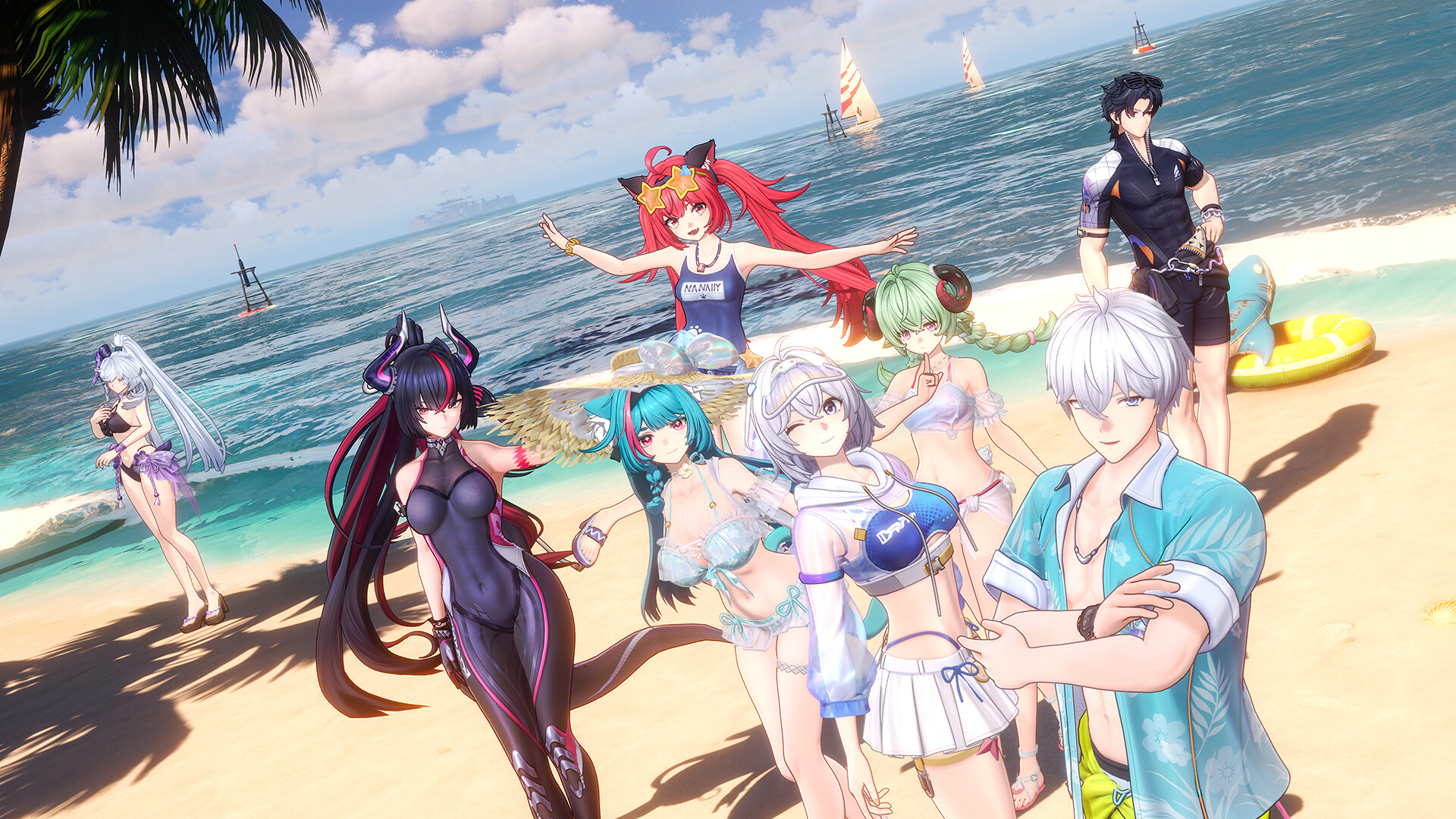
That life-sim layer is not a throwaway feature. You can drive cars around the city, go fishing, take part in street races, run heists, and generally treat Hethereau like a place to hang out rather than a combat gauntlet with scenery. It's the strongest evidence that Hotta Studio was chasing something more sandbox-flavored than Genshin's puzzle-box world design or Tower of Fantasy's grind-first structure, and for the most part it works.
The Experience
The moment NTE clicks is usually somewhere in its first ten hours, once the city stops being a tutorial space and starts being a place you actually want to putter around in. Hethereau has real texture — neighborhoods feel distinct, NPCs have schedules and personalities beyond quest-giver functions, and set-pieces like the game's heist sequences show a level of scripted ambition that most gacha open-worlds don't attempt outside their main story beats.
The gacha system itself is a genuine bright spot. Compared to the genre's worst offenders, NTE's banner and pity structure shows real consideration for player time and frustration — pull costs are reasonable, free currency flows at a fair clip, and the system doesn't feel weaponized against you the way some competitors' do. It's not the most generous game in the genre, but it's clearly designed by people who've watched player backlash against other games and taken notes.
Combat is serviceable — real-time action with character-specific ability kits and elemental-style interactions — but it's where NTE most visibly trails the pack. Animation weight and hit feedback don't have the crunch of Zenless Zone Zero or the fluidity of Wuthering Waves, and it shows especially in longer boss fights where the combat needs to carry the moment on its own.
The Limits
NTE's launch was overshadowed by a legitimate controversy: sections of in-game content were found to use generative AI, which triggered a significant backlash among players who — rightly — expect hand-crafted work from a major commercial release. Hotta Studio removed and replaced the offending assets, but the episode left a mark on the game's reputation for polish and care that lingers in community discussion months later, and it's fair for prospective players to weigh that history before diving in.
Beyond the controversy, NTE simply isn't as tightly polished as this year's other major releases. Bugs, UI rough edges, and pacing hiccups in the mid-game story crop up more often than they should for a title with this much production behind it. On Steam, user sentiment sits around 83% positive — solid, but a rung below what the genre's true top tier commands.
Who Is This For
NTE is best suited to players who want an open world they can genuinely live in rather than optimize through — people who'll happily spend an evening fishing or racing instead of clearing the next story chapter. If you're chasing the sharpest possible combat system or need launch-week polish to be flawless, temper expectations; if you want a gacha that treats your time and wallet with some respect, NTE earns real consideration.
Verdict
NTE stumbled out of the gate, and it still isn't the best-executed open-world gacha on the market. But underneath the rough edges is a game with a genuinely distinct identity — a lived-in city, a life-sim layer with teeth, and a gacha model that isn't trying to squeeze you. That's more than most 2026 releases in this space can claim. 7.4/10.
Pros
- Hethereau feels like an actual city to live in, not a checklist of map markers
- Mini-games (racing, fishing, heists) are substantial rather than filler
- Gacha system shows real thought about player frustration
Cons
- Launched with an AI-generated content controversy that damaged trust
- Combat and animation polish trail the genre's best
- Ranks a notch below recent heavyweight competitors on release-patch content