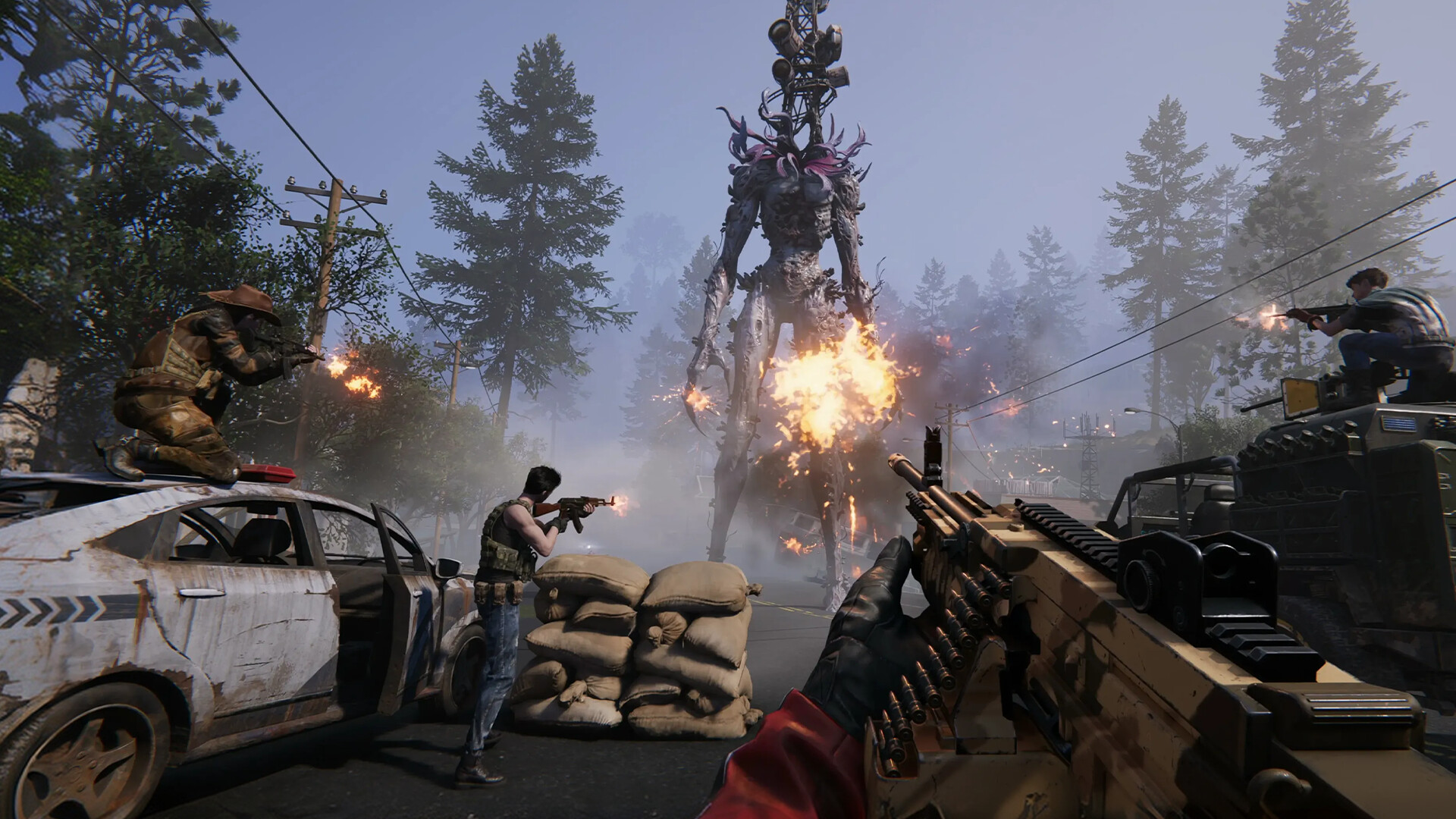
Once Human is a survival open-world game with a twist: it runs on seasonal resets, meaning your base and most account progress periodically wipe and rebuild around a new scenario. That structure trips up players coming from persistent survival games who invest heavily in a base only to lose most of it at season's end. Here's how to play Once Human's loop correctly from day one.
Rush Deviant Capturing, Then Build Around It
Deviants — the game's captured supernatural creatures and companions — are the single biggest quality-of-life unlock in the early game, and nearly everything gets easier once you have them.
- Push through main story missions until Deviant capturing unlocks, rather than getting distracted by side content first. Every system downstream of it (combat, resource gathering, crafting) benefits from having Deviants active.
- Deploy combat Deviants before engaging a fight, not mid-fight. Combat Deviations actively attack alongside you, while utility Deviations provide passive buffs or healing — using the wrong type at the wrong moment wastes their kit.
- A solid beginner combo: a tank-type Deviant like Stone Sentinel for survivability, paired with a DPS type like Spark Hound once you're comfortable with combat. This covers durability and damage without needing rare captures.
- Rarity beats level. A level-1 Epic Deviant frequently outperforms a level-10 Common one — don't waste resources heavily leveling a common Deviant when a rarer one is within reach.
Build Your Loadout as One Connected System
A common beginner mistake is treating weapons, Deviant companions, and gear sets as three separate upgrade tracks. Once Human's build system rewards treating them as one package.
- Match your gear set bonuses to your weapon type and Deviant roles, rather than picking whichever gear has the highest raw stats. A mismatched build underperforms a lower-stat but coherent one.
- Cover your bases with utility Deviants early: something like Little Digby for passive ore farming unlocks smoother access to endgame crafting materials, and a repair-cost reducer like Artisan's Touch saves resources you'd otherwise burn on maintenance.
Prepare for the Season Reset Before It Happens
This is the single most important thing new players miss: Once Human's seasons are not optional persistent progress — most base and world state resets, and only specific things carry over.
- Use the Deviant transfer system to move your best Deviants to the Cradle before a season reset. Transferred Deviants carry over permanently, so this is effectively how you preserve your best captures across resets.
- Don't over-invest heavily in a sprawling base build late in a season. Structures and world placement don't persist through resets the way character-bound progress does, so time-sensitive investment (like Deviant capturing and account-bound unlocks) should take priority as a season winds down.
- Check patch notes near a season's expected end — knowing roughly when a reset is coming lets you plan your last few days around banking transferable progress rather than building something you'll lose.
What To Do First
- Rush main story progress until Deviant capturing unlocks, then prioritize it over side content.
- Build a beginner Deviant pair (one tank, one DPS) and add utility Deviants for economy and logistics as you unlock them.
- Treat weapon, gear set, and Deviant roles as one build rather than upgrading them independently.
- Track the season timeline and transfer your best Deviants to the Cradle before a reset hits.
Once Human's seasonal structure rewards players who plan around the reset instead of getting surprised by it. Get your Deviants sorted early, build coherently, and bank what carries over before the season ends.