Verdict
Endfield is one of the most ambitious gacha releases in years, and it clears the bar it set for itself more often than not. The factory layer alone justifies the install.

We went into Arknights: Endfield expecting a pretty, competent action-RPG riding on the goodwill Hypergryph built with the original tower-defense Arknights. What we did not expect was a game confident enough to bolt an entire factory-automation layer onto that combat and have both halves work. Eight months after its January 2026 launch and several content patches deep — including the September "Dreamscape of Wind and Snow" update — Endfield has settled into a rhythm that justifies the hype it generated during its long beta run.
The Essentials
Endfield drops you and your Endministrator crew on Talos-II, a mineral-rich, monster-infested landmass that your organization is trying to industrialize while surviving the local wildlife — and each other's politics. Structurally, it's two games stitched together: a real-time, squad-based action-RPG where you control up to four operators at once, and a base-building/factory-automation layer where you plan resource chains, conveyor routes, and production loops across your claimed territory.
That's a strange pitch on paper, and it could easily have been a case of one system window-dressing the other. It isn't. Combat has real depth — operator classes (Guard, Caster, Defender, Specialist, and so on, carried over conceptually from the original game) each play distinctly, and fights genuinely ask you to manage positioning, cooldown rotation, and target priority rather than just mashing the strongest unit's skill button. The factory layer, meanwhile, is a legitimate automation puzzle: routing ore, refining it, and feeding it into production chains scratches the same itch that makes people lose weekends to Factorio, just with a friendlier difficulty curve and a much prettier skybox.
The Experience
What surprised us most in extended play was how well Hypergryph paced the handoff between the two loops. Early hours lean heavily on exploration and combat as you map out Talos-II's regions and clear out threats; once a zone is secured, the factory game opens up and starts eating just as much of your attention. By the midgame, you're bouncing between the two naturally — optimizing a production line, then jumping into a story or side mission that needs a freshly built squad to clear.
The operator roster is where the gacha economics live, and Hypergryph's execution here is more generous than most competitors, closer to the original Arknights' reputation for fairness than to the industry's worst offenders. Free operators are viable well into the midgame, and the banner system doesn't feel actively hostile the way some contemporaries' do. That said, building a truly optimized squad — six-star operators with the right modules and gear tiers — still asks for either patience or real spending, and the factory side has its own currency and material sinks layered on top, which means the game's total time-or-money cost is genuinely higher than a pure combat gacha's.
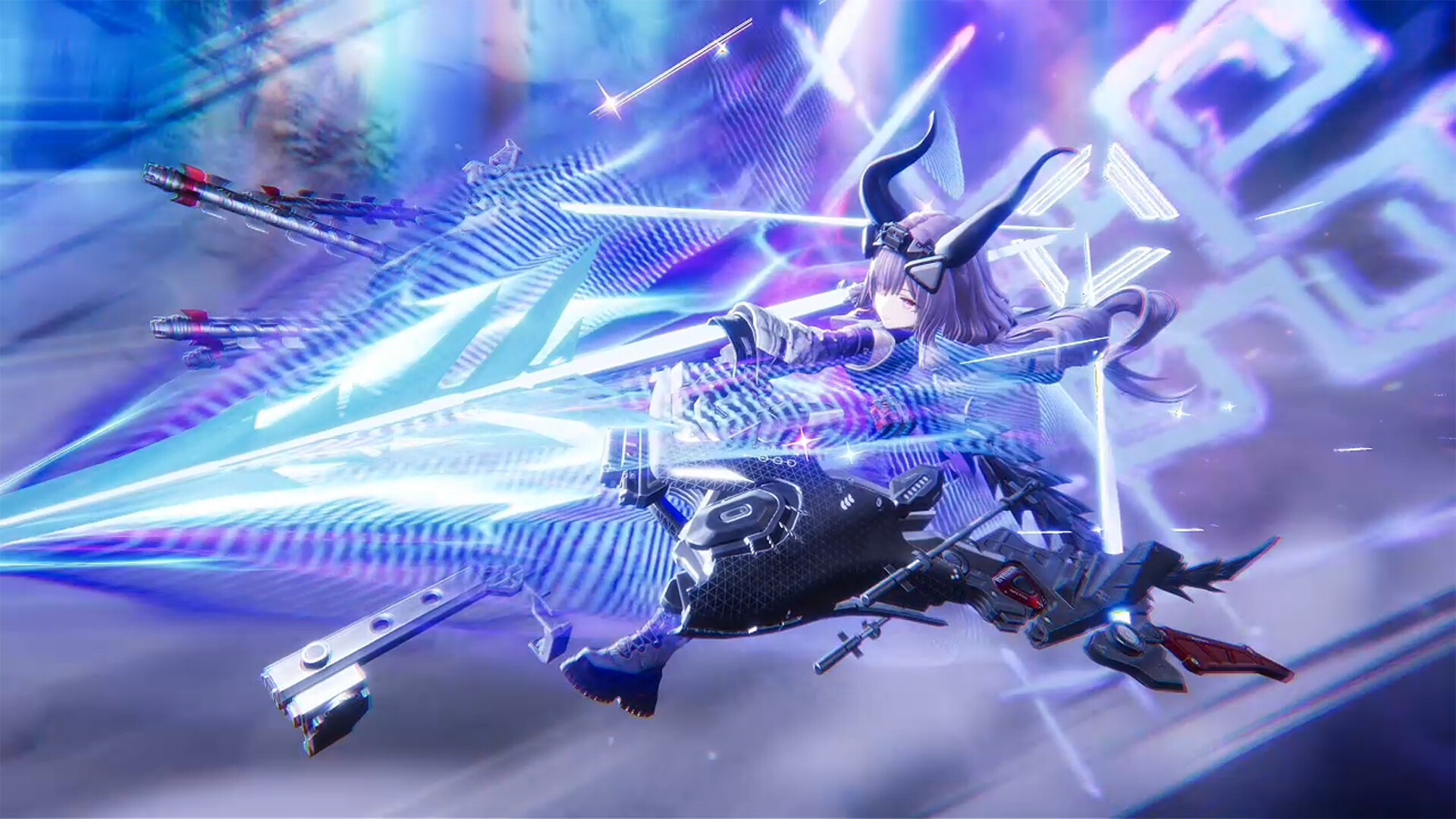
Visually, this is one of the best-looking mobile-to-PC crossovers currently running. Character and environment art carries over the sharp, purposeful design language from the original Arknights, and the PS5/PC versions in particular run it at a fidelity that makes the mobile port feel like a compromise rather than the primary platform.
The Limits
The biggest friction point is onboarding. Endfield introduces combat mechanics, base systems, crafting, and narrative threads almost simultaneously, and new players will spend several hours feeling like they're being handed systems faster than they can absorb them. It settles down, but the first stretch asks for patience most gacha games don't require.
The dual-loop structure, for all its strengths, also means Endfield rarely lets either system be the best version of itself. The combat, while solid, isn't as mechanically dense as a dedicated action game; the factory layer, while satisfying, isn't as deep as a genre-first automation game. Endfield is very good at being two things at once — it isn't the best possible version of either individually, and players who came purely for one half may find themselves waiting through the other.
Monetization is fair by gacha standards but not soft. Operator banners, module unlocks, and factory expansion materials all draw from overlapping currency pools, and a fully optimized roster and base will still take real time or real money to reach.
Who Is This For
Endfield rewards players who like systems for their own sake — people who enjoyed Arknights' tower-defense puzzle-box thinking, or who've sunk hours into automation games, will find a lot to love here. It's less suited to players who want a purely narrative-driven action-RPG experience or who bounce off anything resembling a spreadsheet.
Verdict
Endfield takes a real risk by fusing two demanding genres into one gacha package, and the risk pays off far more often than it doesn't. It's ambitious, it's polished, and — crucially for a live-service game — it has kept up a real content pace since launch rather than coasting on its debut. 8.7/10.
Pros
- Real-time combat that actually rewards positioning and operator synergy
- Factory-building layer gives the game a genuine second identity, not a gimmick
- Consistently substantial content cadence since launch
- Gorgeous, purposeful art direction carried over from the original Arknights
Cons
- The dual combat/factory pitch means neither system gets your full attention at all times
- Gacha rates and pull costs are still steep for a fully-geared operator roster
- Onboarding throws a lot at new players before the pieces click